Here’s How to Store Wood Furniture Safely Without Climate Control
Step 2: Disassemble to reduce strain
Wood furniture is basically that friend who remembers every awkward thing you did in 2014. Not in a rude way, but in a very permanent way. Scratches, cracks, warped panels, and drawers that suddenly refuse to cooperate usually do not happen overnight. They build up slowly, especially when furniture sits through big swings in temperature and humidity.
If you are storing wood furniture in a unit without climate control, it is not automatically a disaster. You just need to understand what wood hates, then set your storage space up to avoid those problems as much as possible.
Before we get started, be sure to check out our other helpful guides such as understanding RV depreciation and how to properly store your RV .
Quick checklist if you are short on time
- Clean and fully dry every wood surface
- Disassemble pieces to protect joints and reduce stress
- Use breathable padding, never plastic directly on wood
- Elevate everything off the floor
- Leave space for airflow on all sides
- Avoid stacking heavy items on wood surfaces
- Place wood furniture in the most stable spot in the unit
- Check on it occasionally and adjust if needed
What actually damages wood in storage
Wood is alive in the sense that it reacts to its environment. Temperature shifts make it expand and contract. Humidity pushes moisture into the grain which can cause swelling, warping, and sticky drawers. When that moisture leaves too quickly or unevenly, cracks and splits can follow.
Without climate control, those swings happen more often, which means wood is constantly adjusting. Your goal is not to stop wood from reacting. Your goal is to slow things down and keep changes as gradual as possible.
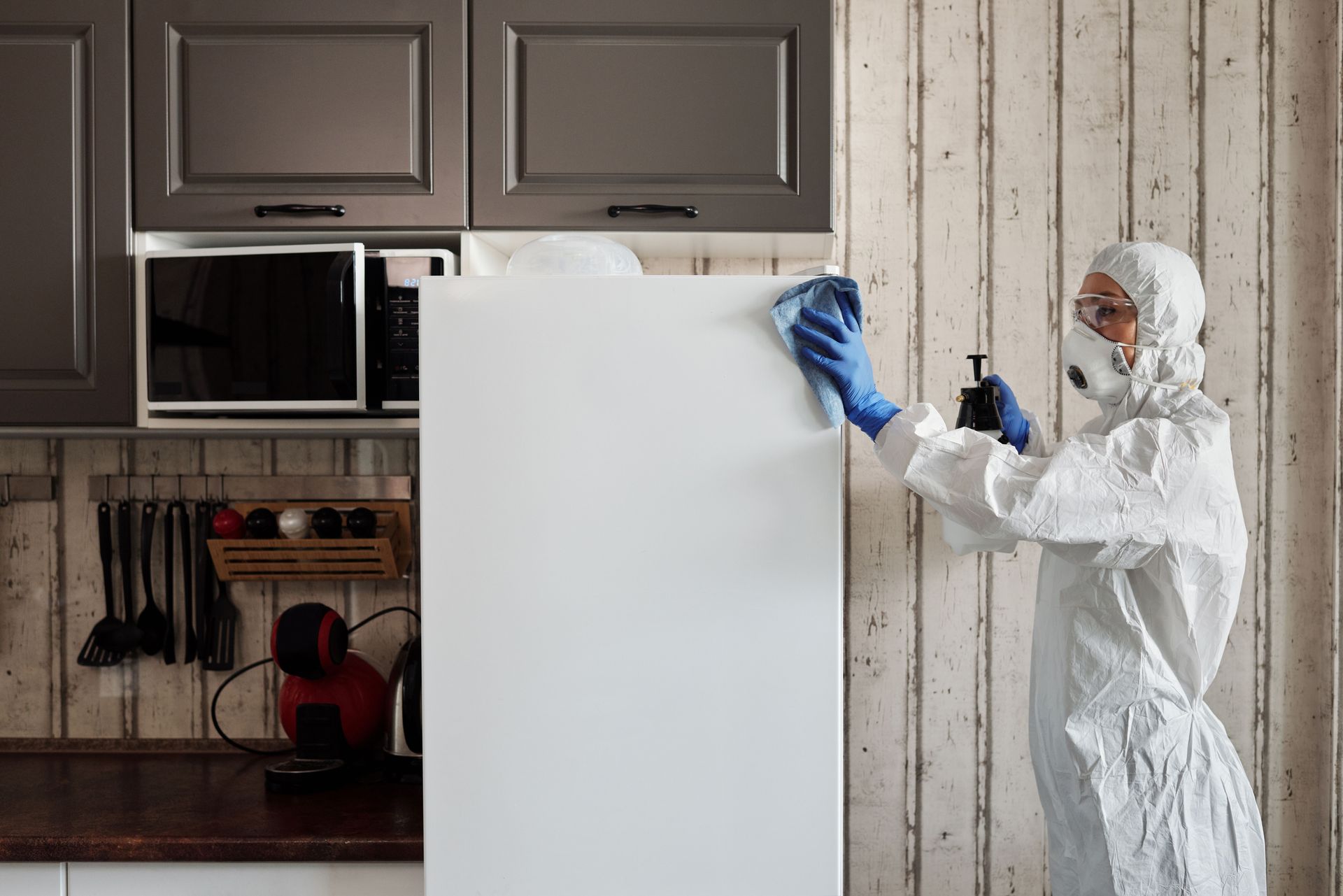
Step 1: Clean it like you want it to last
Putting dirty furniture into storage is like sealing crumbs into a couch cushion and hoping for the best. Dust holds moisture. Oils can soften finishes. Grime in seams creates uneven spots where moisture can collect.
Wipe everything down with a wood safe cleaner and a soft cloth. Keep it gentle. You want clean, not soaked. Then let it dry completely in a well ventilated area before it goes into the unit.
If the wood smells musty or feels cool and damp, it is not ready. Give it more time. Future you will be grateful.
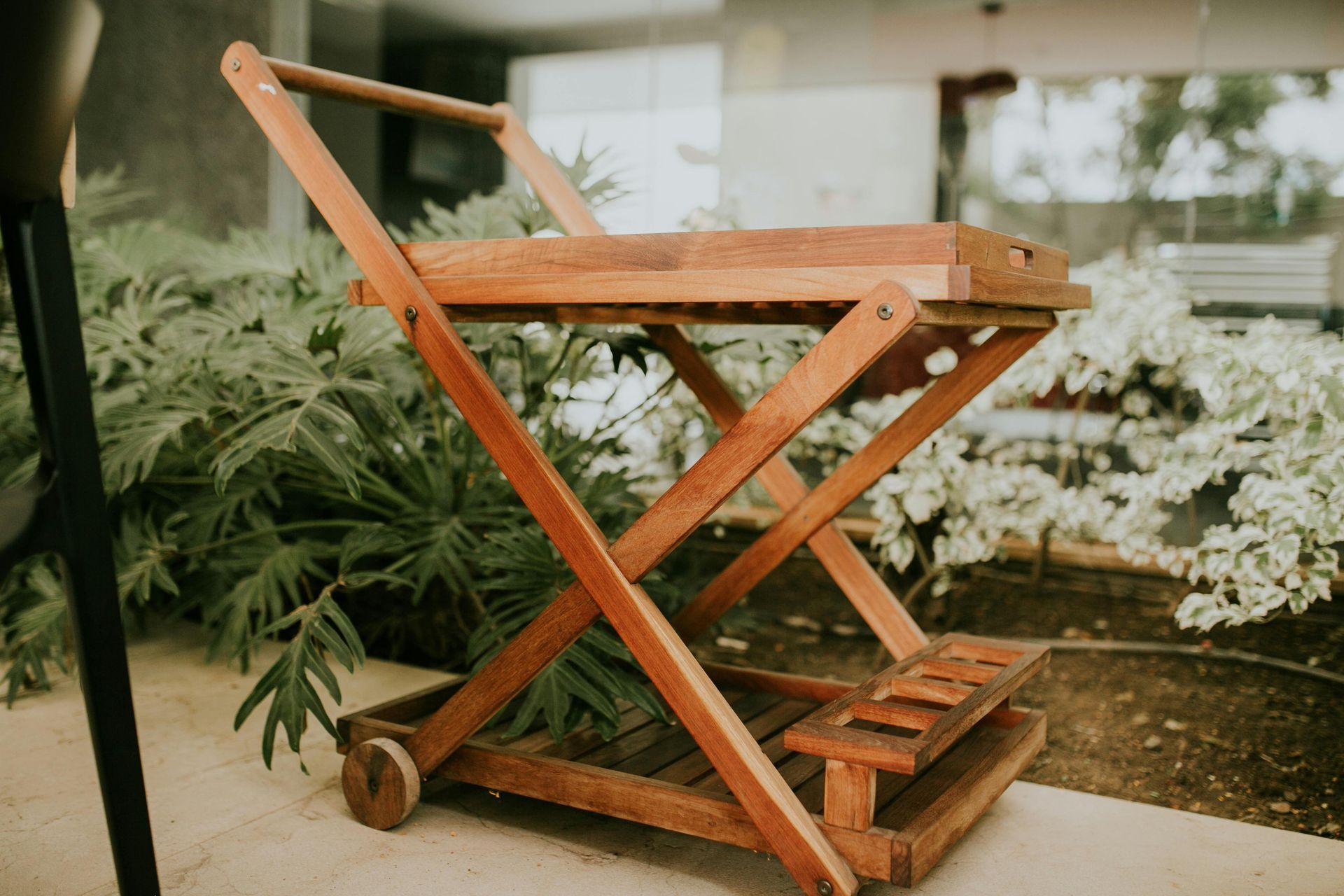
Step 2: Disassemble to reduce strain
Wood joints and fasteners take the brunt of expansion and contraction. When furniture is fully assembled, those joints stay under tension. Over time, that stress can loosen connections or cause cracks.
If you can safely remove legs, rails, shelves, or headboards, do it. Smaller sections adjust more evenly than one big assembled frame. Put all hardware in labeled sealable bags and attach the bag to the piece it belongs to, so you are not playing mystery bolt roulette later.
Step 3: Wrap it the right way, with breathable protection
Plastic and wood do not get along in non climate controlled storage. Plastic traps moisture and blocks evaporation. That is how you end up with mildew smell and finish damage that no one invited.
Use moving blankets or furniture pads to protect surfaces while still allowing airflow. If you use stretch wrap, use it only to hold blankets in place, and keep it from touching the wood directly.
For tabletops and other flat surfaces, add a layer of cardboard over the padding to protect the finish and help distribute pressure. The big rule is simple. Protect the wood, but do not seal it up airtight.
Step 4: Keep it off the floor
Floors can be a hidden trouble spot, especially if there is concrete. Concrete can release moisture as temperatures change, and wood placed directly on it can absorb that moisture from below. That is when you see cupping, warping, and swelling that seems to come out of nowhere.
Elevate every piece using pallets, pressure treated boards, plastic shelving, or anything sturdy that creates clearance. Even a few inches makes a real difference.
If you only do one thing from this entire guide, do this one.
Step 5: Leave room for airflow
Air movement helps prevent moisture buildup and lets wood acclimate more slowly. That means you should avoid packing everything tightly like a puzzle.
Leave small gaps between furniture and the walls, and between each piece. If possible, store some large flat surfaces upright, like table leaves or headboards, so dust and moisture are less likely to settle on them.
Keep stacking minimal, and do not place heavy items on wood surfaces that are not designed to hold weight. A dresser top is not a weightlifting platform.
Step 6: Pick the most stable spot inside the unit
Not every part of a storage unit experiences the same conditions. Areas near exterior walls and corners often see bigger temperature changes and are more likely to collect condensation.
Place wood furniture closer to the center when you can. Also avoid spots that may get strong light or heat through the door opening, since uneven heating can stress the wood and finish.
Step 7: Check on it once in a while
Storing wood furniture without climate control is not a set it and forget it situation. Think of it more like a slow cooker. No need to stare at it daily, but checking occasionally prevents problems from turning into surprises.
Every couple of months, take a quick look. Watch for musty smells, surface haze, sticking drawers, or padding that shifted. If anything looks too tight or sealed, give it more breathing room.
A realistic expectation
Storing wood furniture without climate control always carries some risk. The goal is not perfection. The goal is to reduce damage by controlling the things you actually can. Clean it, dry it, wrap it with breathable protection, elevate it, give it airflow, place it smartly, and check on it.
Wood furniture existed long before climate controlled storage did. With the right prep, it can handle storage now too.
Local Storage Group has many storage facility locations across the midwest and east coast U.S. Our goal is to provide the best storage experience possible and provide you with all the information you need to store your belongings properly and safely.