
How to Store Winter Tires So They Stay Ready for Next Season
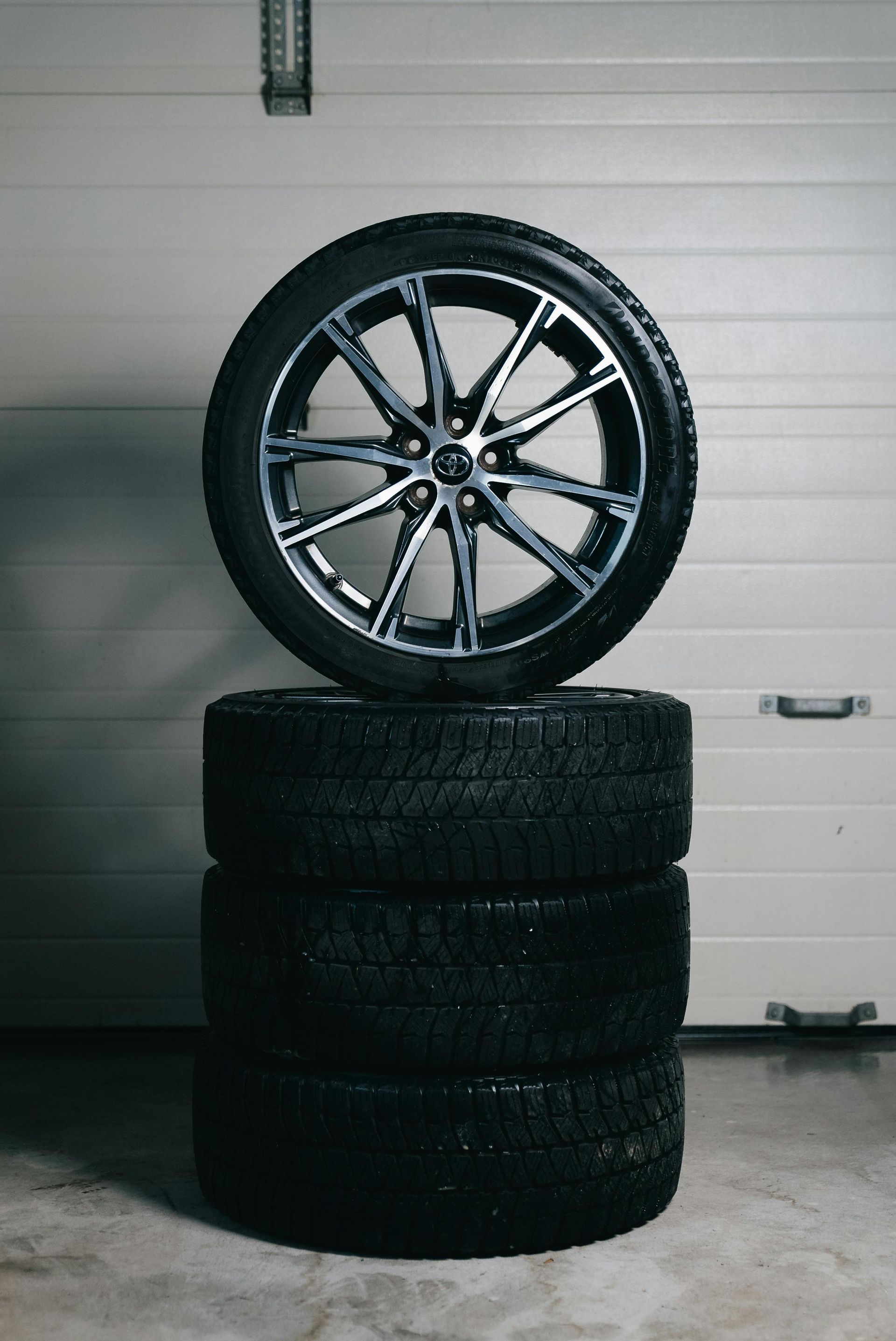
Winter tires are tough on the road and a little dramatic in storage. Give them heat, sunlight, or the wrong surface to sit on for months and they can age faster than you would expect. Hard rubber, flat spots, and early cracking usually start while the tires are parked, not while they are doing their job.
If you want your winter tires to stay flexible and safe for next season, storage needs to slow down the things that age rubber. That means controlling light, air exposure, temperature swings, and how the tires rest while they are off your vehicle.
Before we get started, be sure to check out our other helpful guides such as how to store wood furniture without climate control and how to properly store a pressure washer for more helpful storage tips and tricks.
Fast prep list
- Wash off road grime, salt, and brake dust
- Let tires dry fully before they get covered or stored
- Keep them away from sunlight and ozone producing equipment
- Pick a cool, dry space with stable temperatures
- Put a barrier between tires and concrete
- Store mounted and unmounted tires the right way
- Use breathable protection that does not trap moisture
- Rotate or reposition occasionally to reduce flat spotting
What ruins tires while they sit
Rubber does not just stay the same because it is not moving. Heat, oxygen, ozone, and ultraviolet light slowly break down tire compounds and pull protective oils away from the surface. That breakdown is what shows up later as dry rot and cracking.
The point of storage is not to freeze time. The point is to slow aging so the rubber stays flexible and the tire structure stays stable. A little attention now can add real life to the tire later.
Clean them before you store them
Tires come off the car wearing a mix of road salt, oil film, brake dust, and general grime. Leaving that buildup on during storage gives rubber more stuff to react with and gives moisture a place to hang out. Mild soap and water is all you need, followed by a thorough rinse.
Skip harsh chemicals, petroleum based cleaners, and glossy tire shine products. Those can strip protective oils or leave residues that speed up drying over time. Once the tires are clean, let them dry completely because trapped moisture causes its own problems, especially on rims.
Keep ozone away from your rubber
Oxygen and ozone are major drivers of rubber cracking. You cannot remove air completely, but you can reduce airflow and keep tires away from ozone heavy areas. Ozone is often produced by appliances and equipment that run motors or create heat.
Avoid storing tires near furnaces, water heaters, compressors, and other motor driven equipment. Even low ozone exposure can accelerate rubber breakdown over long storage periods. A quieter corner away from machines is a big upgrade for tire health.
Pick a storage space that stays consistent
Tires store best in a cool, dry area where temperatures stay fairly stable. Heat speeds up rubber aging, and big temperature swings can stress materials over time. Extremely dry air can also pull flexibility out of rubber faster, which is why stable conditions matter.
Light is another major issue. Ultraviolet exposure dries rubber out, and it does not take direct sun to do damage. Store tires in darkness or cover them fully so light cannot reach the rubber.
Do not park them directly on concrete
Concrete can hold moisture and it can contribute to rubber drying over time. Tires sitting directly on concrete for months are more likely to develop surface cracking and early dry rot.
Use a barrier like wooden pallets, rubber mats, or thick cardboard. This reduces moisture transfer and helps keep the storage environment more stable right where the tires rest. It is a simple step that makes a noticeable difference.
Store them based on whether they are mounted
Mounted tires have more storage options. They can be stacked horizontally or stored on a tire rack, and limiting the stack height helps prevent excessive pressure on the bottom tire. Rotating the stack occasionally also helps reduce the chance of flat spotting during long storage.
Unmounted tires should be stored upright, standing vertically. Stacking unmounted tires can deform sidewalls over time, and hanging unmounted tires can stress the sidewalls in ways that cause damage. Standing them up and rotating their position once in a while is the safer approach.
Cover them without trapping moisture
It is smart to limit airflow around tires, but sealing them airtight can trap condensation. Tire storage bags designed for long term storage work well, and heavy duty bags can also work if they allow some ventilation. The goal is less exposure to air movement, without creating a damp little greenhouse.
Avoid wrapping tires tightly in plastic with no breathing room. Moisture that cannot escape can encourage corrosion on rims and create conditions that speed up rubber aging. Breathable protection wins the long game here.
Check them before they go back on the vehicle
Before reinstalling, inspect the tires closely. Look for fine cracks on sidewalls and between tread blocks, check for flat spotting or deformation, and pay attention to how flexible the rubber feels. If the rubber looks brittle or cracking is visible, the tire may not be safe even if there is plenty of tread.
A quick inspection helps you catch issues early and avoid surprises when roads are at their worst. Tires are safety equipment, so it is worth being picky. If anything looks questionable, a tire professional can confirm whether they are still good to use.
A storage option that makes this easier
Local Storage Group has many storage facility locations across the midwest and east coast U.S. Our goal is to provide the best storage experience possible and provide you with all the information you need to store your belongings properly and safely.