
Car, Boat and RV Parking for Extra Vehicles
Finding enough space for large vehicles is not always easy, especially when your driveway, garage, or neighborhood has limited room for parking. Boats, RVs, trailers, and extra vehicles often end up taking over valuable space at home or creating problems with HOA rules and city parking restrictions. Leaving expensive recreational vehicles parked outside for months at a time can also expose them to weather damage, theft, and unnecessary wear. A dedicated storage space gives you a safer and more practical option when your vehicle is not being used regularly.
Car, boat, and RV parking is designed to help vehicle owners keep their investments secure while freeing up room at home. Some people need short term parking during a move or renovation, while others need year round storage for seasonal vehicles that only come out during warmer months or vacation season. The right parking setup depends on the size of the vehicle, how often you plan to access it, and the level of protection you want. LocalStorage Group offers flexible parking solutions that help drivers, boat owners, and RV travelers store their vehicles with confidence and convenience.
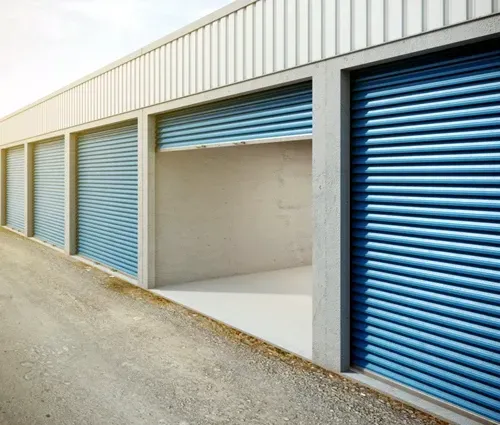
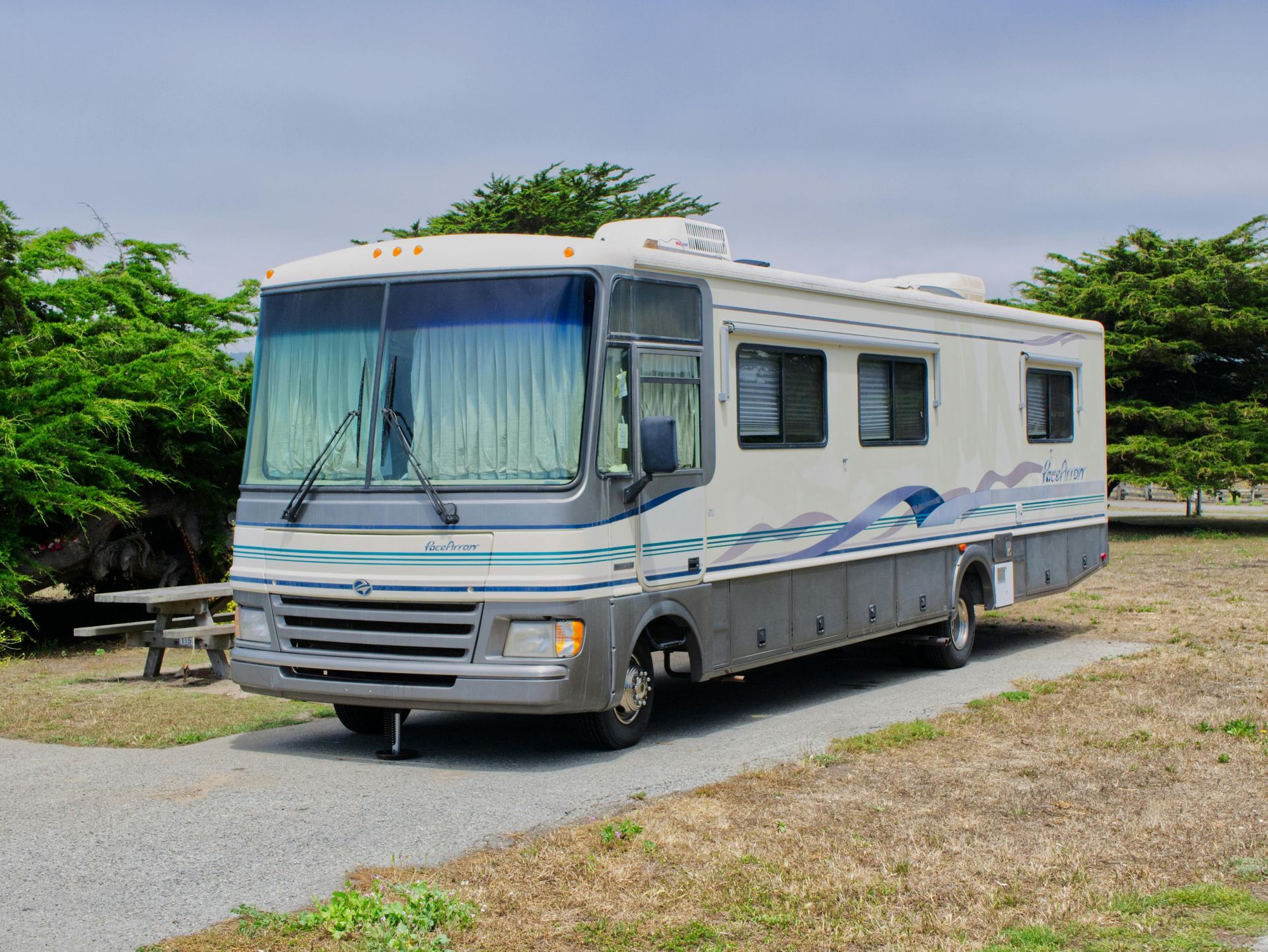
Why People Use Vehicle Parking Storage
Large vehicles create storage challenges that most residential properties are not built to handle. Boats and RVs take up significant space, and many neighborhoods do not allow oversized vehicles to remain parked outside long term. Even smaller recreational vehicles can crowd garages and driveways quickly, especially in households with multiple cars. Storage parking provides a secure alternative that helps keep vehicles accessible without sacrificing space at home.
Many vehicle owners also use storage parking to help protect their investment between trips and seasons. Instead of leaving an RV exposed to months of sun, rain, snow, or debris, a dedicated parking facility offers a more controlled and organized environment. Flexible rental options also make it easier to store vehicles only when needed instead of paying for permanent parking solutions.
Benefits of car, boat, and RV parking include:
- More space at home and less driveway congestion
- Secure gated access and monitored facilities
- Flexible month to month rental options
- Convenient storage between trips and travel seasons
- Protection from neighborhood parking restrictions
- Easier access for large trailers and oversized vehicles
The best storage option depends on the type of vehicle and how frequently you plan to use it. Some owners simply need outdoor parking with easy access, while others prefer covered or enclosed storage for added protection. Understanding how and when the vehicle will be used helps determine which setup makes the most sense.
How Do You Prepare Your Vehicle for Storage?
Preparing your vehicle before storage helps prevent unnecessary maintenance issues and keeps it in better condition while it sits unused. Boats, RVs, and extra vehicles that remain parked for long periods can develop problems with batteries, tires, fluids, and moisture if they are not properly prepared ahead of time. A little preparation before storage season can help protect your investment and make it much easier to get the vehicle back on the road or water when you are ready to use it again. Proper preparation is especially important for seasonal vehicles that may stay parked for several months at a time.
The preparation process depends on the type of vehicle being stored and how long it will remain in storage. RV owners often need to winterize water systems during colder months, while boat owners may need to inspect motors, drain water lines, and protect exterior surfaces before long term parking begins. Even standard vehicles benefit from basic maintenance and cleaning before storage because dirt, moisture, and low tire pressure can create avoidable wear over time. Taking care of these small details early helps reduce the risk of costly repairs or unexpected issues later.
Before placing your vehicle into storage, it is usually a good idea to:
- Wash and dry the exterior thoroughly
- Remove food, trash, and personal belongings
- Check tire pressure and battery condition
- Inspect for leaks or maintenance concerns
- Empty water systems in RVs during colder months
- Cover exposed components if necessary
- Confirm insurance and registration requirements
Drivers storing vehicles for several months should plan to check on them occasionally during the storage period. Inspecting for leaks, monitoring battery condition, and starting the vehicle from time to time can help prevent small maintenance issues from turning into more expensive repairs. Proper preparation before storage also helps protect the condition of the vehicle and makes it easier to get back on the road or water when storage season ends.
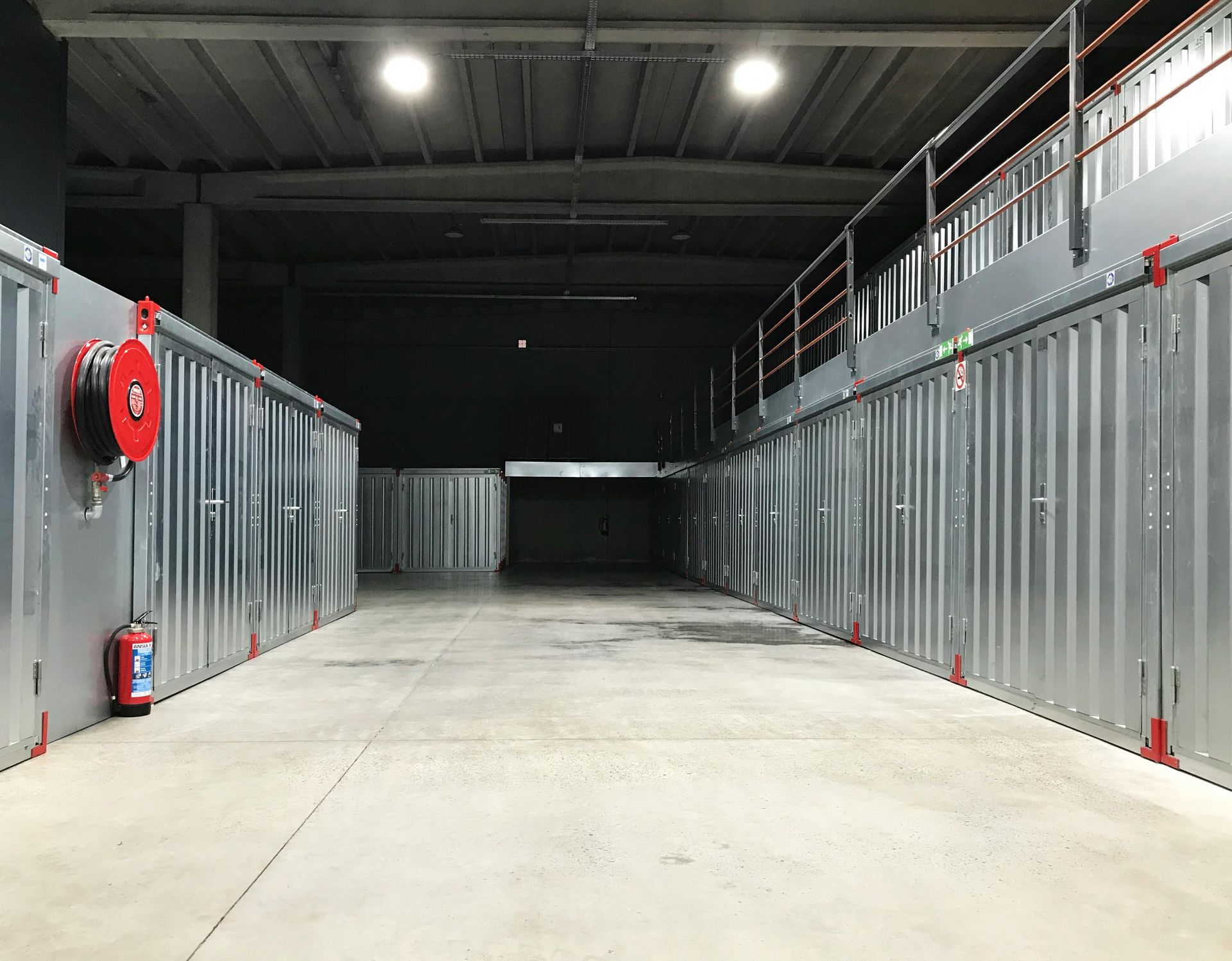
Rent Car, Boat and RV Parking Today from a Friendly Local Storage Location
Finding reliable parking for oversized vehicles can help free up space at home while giving your car, boat, or RV a more secure place to stay between trips and seasons. From short term parking during a move to long term storage for seasonal vehicles, the right storage setup helps protect your investment and keeps your property less crowded. Visit our locations page to find a Local Storage Group facility near you and explore available car, boat, and RV parking options.