
How to Store a Pressure Washer for Winter
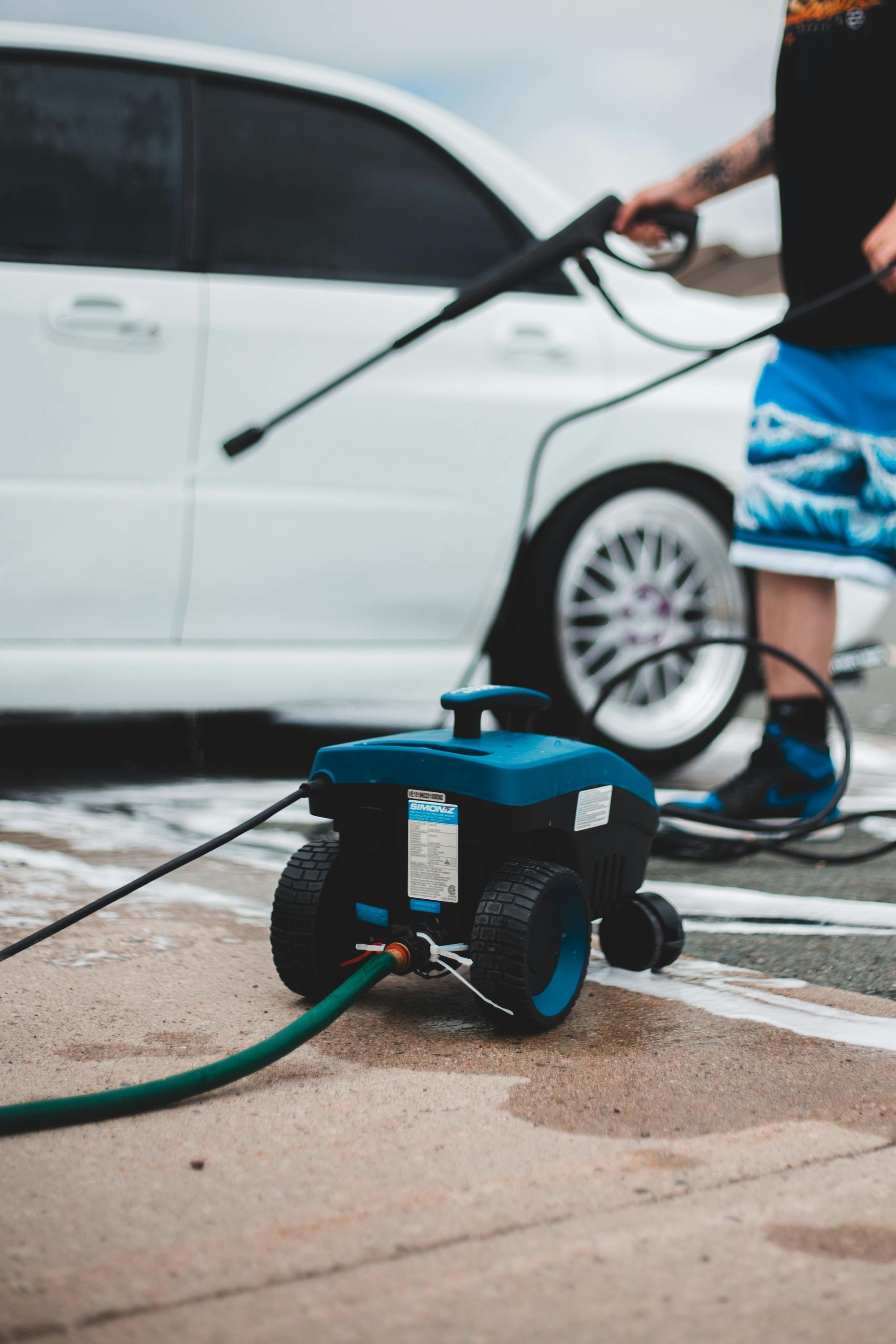
A pressure washer is amazing at blasting away grime and absolutely terrible at surviving neglect. It can handle dirt, grease, and mildew all day, but leave a little water inside and add freezing temperatures and it will quietly fall apart. Most winter damage happens early, usually right after someone drains the hose, says “good enough,” and walks away with confidence.
If you want to store a pressure washer for winter without cracking the pump, splitting hoses, or turning a perfectly good machine into a very expensive paperweight, the steps below are the ones that matter. Each one is here for a reason, and skipping any of them tends to come back with receipts.
Quick checklist
- Shut down the engine or motor correctly before storage
- Disconnect and fully drain all hoses
- Remove every bit of water from the pump
- Use pump saver or pressure washer antifreeze designed for the machine
- Clean the machine before storing it
- Store it in a dry location that stays above freezing when possible
- Keep hoses and accessories off the ground
- Check for leaks or damage before winter ends
Understand what winter actually damages
Pressure washers fail in winter for one simple reason. Water expands when it freezes. Any water left in the pump, hoses, fittings, or spray gun can expand and crack whatever is containing it. These cracks are often invisible until you fire it up later and notice water spraying in directions that feel creative but unhelpful.
Both electric and gas pressure washers are vulnerable, though gas units often suffer more severe pump issues. Even small amounts of trapped water can split seals, damage valves, and crack the pump housing. This is true for any appliance or power tool that houses water, like a washing machine for instance. Preventing freeze damage means removing or displacing every last drop of water inside the system.
Shut the machine down properly
Before you do anything else, shut the pressure washer down completely and release system pressure. For gas units, turn off the engine and fuel supply, then let everything cool down fully. For electric units, unplug it and make sure the motor has stopped.
After the machine is powered down, squeeze the trigger on the spray gun to release any remaining pressure. This step gets skipped a lot, and the regret usually shows up later when fittings loosen or draining is incomplete. Pressure trapped in the system makes it harder to get water out where it likes to hide.
If your gas pressure washer will sit unused all winter, deal with the fuel now. Either drain the tank or add a fuel stabilizer following the manufacturer’s instructions. Old fuel can gum things up long before you are ready to use the machine again.
Drain hoses, gun, and wand completely
Disconnect all hoses from the machine. Leaving them attached can trap water in low spots and fittings, which is exactly where freezing damage likes to start. Hold each hose vertically and let gravity drain it, then walk the length of the hose while lifting sections to push out any remaining water.
The spray gun and wand need just as much attention. Disconnect them and squeeze the trigger while holding them upright to release trapped water. Rotate them through a few angles to make sure internal chambers are empty, because water is great at finding the one spot you forgot to check.
Drain first, coil second. Coiling before draining is a reliable way to keep water trapped inside the loops.
Remove water from the pump
The pump is the most expensive part of the pressure washer and the easiest part to ruin during winter. Even after you drain the hoses, water can still remain inside the pump housing. That is why winterizing the pump is not optional if freezing temperatures are a possibility.
Use a pump saver product or pressure washer antifreeze designed for this purpose. Pump saver helps displace water, lubricate seals, and protect internal parts while the machine sits. Attach it to the water inlet following the product instructions and run it through until it exits the outlet or the spray gun connection.
Do not substitute automotive antifreeze unless the manufacturer explicitly says it is safe. Many pumps are not designed for it, and you do not want to solve one problem by creating a new and more annoying one.
Clean the machine before storing it
Storing a dirty pressure washer is an invitation for corrosion and pests. Dirt holds moisture and residue can harden over time, which can clog components later. A few minutes of cleaning now prevents a lot of frustration later.
Wipe down the exterior and remove debris from vents, wheels, and fittings. Inspect hoses for cracks, kinks, or worn spots so you are not surprised when you are ready to use it again. If detergent was used during the season, flush the system with clean water before you drain and winterize so residue does not sit and harden inside.
Choose the right storage location
Storing it at a Local Storage location is a solid winter plan when you want the job done once and done right. Our storage spaces are affordable, safe, and reliable, which means your pressure washer stays protected and out of the chaos until you are ready to use it again. You get a clean, secure place for the machine and all the accessories, and you do not have to worry about it getting bumped, buried, or forgotten behind a mountain of winter stuff.
Store accessories properly
Hoses, spray guns, wands, and nozzles should be stored neatly and kept off the floor. Concrete can introduce moisture and cold exposure, and small parts tend to disappear when they are left loose. Keeping accessories organized also makes setup easier when you are ready to use the washer again.
Coil hoses loosely to prevent kinks and stress points. Store nozzles in a container so they do not get lost or damaged. A little organization here saves a lot of hunting later.
Check it once before winter ends
Before temperatures are consistently warmer, do a quick inspection. Look for leaks, cracked fittings, and signs of pest damage, especially around hoses and wiring. Catching issues early is far easier than discovering them after you are already in the middle of a job.
If you used pump saver, it should flush out naturally when water runs through the system later. Follow the manufacturer’s startup steps before use so everything is operating correctly. That quick check helps you start the season with water pressure, not surprise repairs.
Final thought
Winter damage to pressure washers, or any type of power tool, appliance or furniture is almost always preventable. It happens when water is left behind and forgotten, not because the machine is delicate. Drain it thoroughly, protect the pump, clean it before storage, and choose a storage setup that keeps it dry and stable.
Local Storage Group has many
storage facility locations across the midwest and
east coast U.S. Our goal is to provide the best storage experience possible and provide you with all the information you need to store your belongings properly and safely.