Climate Controlled or Standard Storage? What Your Belongings Actually Need
Not everything you store needs climate control. A set of garden tools has different needs from family photographs, and plastic outdoor furniture isn't as sensitive to changing conditions as a wooden dining table or electronic equipment. The useful question is what you're storing and how long it will stay there. LocalStorage Group offers both conventional and climate-controlled options within our network, so you can compare storage options in your area based on the belongings you need to put away.
What is standard storage?
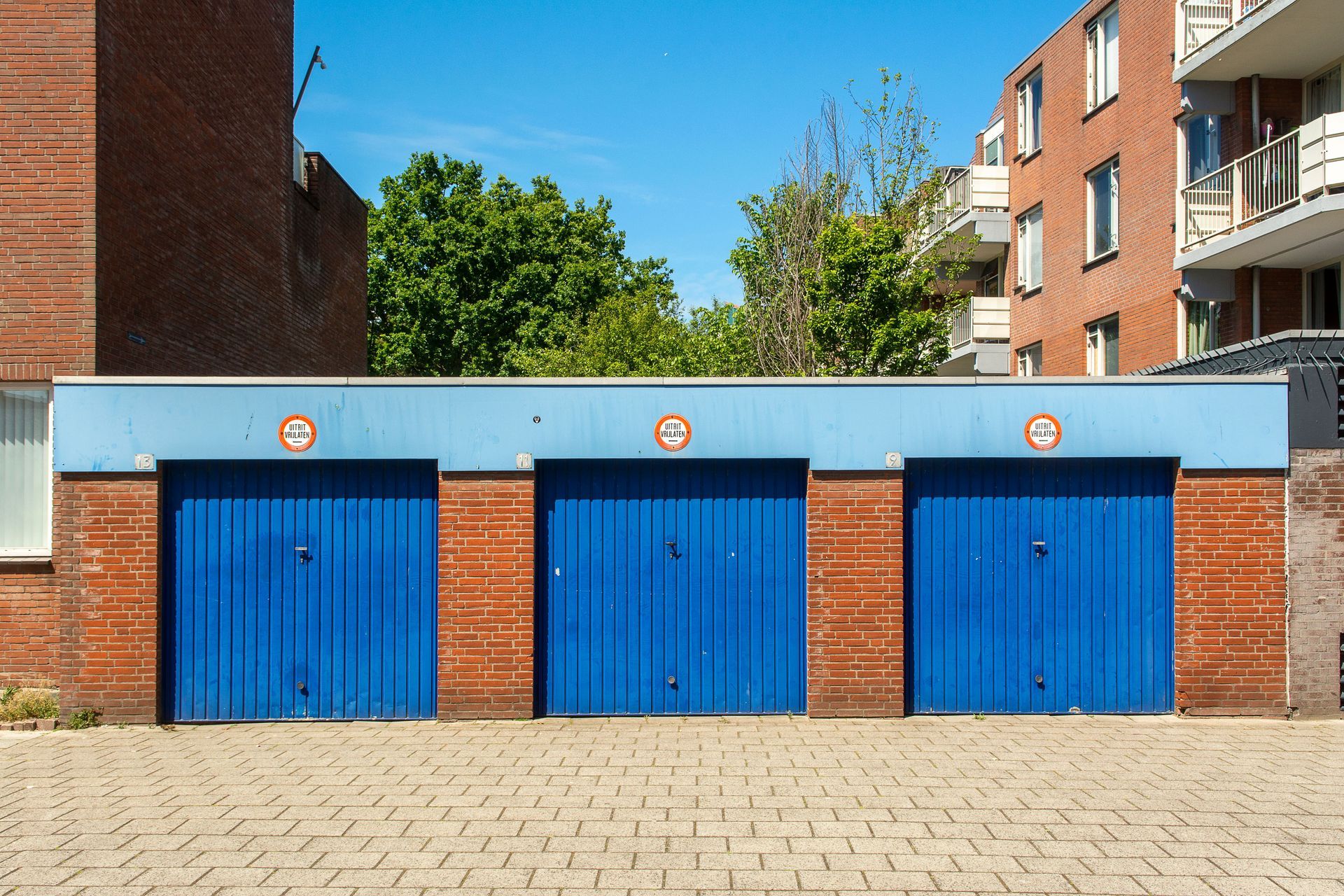
A standard storage unit provides enclosed space for belongings but doesn't regulate the interior environment in the same way as a climate-controlled unit. Indoor conditions can therefore change as outdoor temperatures and humidity levels change. That doesn't make standard storage the wrong choice. Many durable belongings don't require a controlled environment, especially when they're properly cleaned, packed, and stored for a shorter period. Standard units may also offer drive-up access, depending on the property and unit type. That arrangement is useful for heavy furniture, equipment, or a large number of boxes because you can reduce the distance between your vehicle and the unit door.
What is climate-controlled storage?
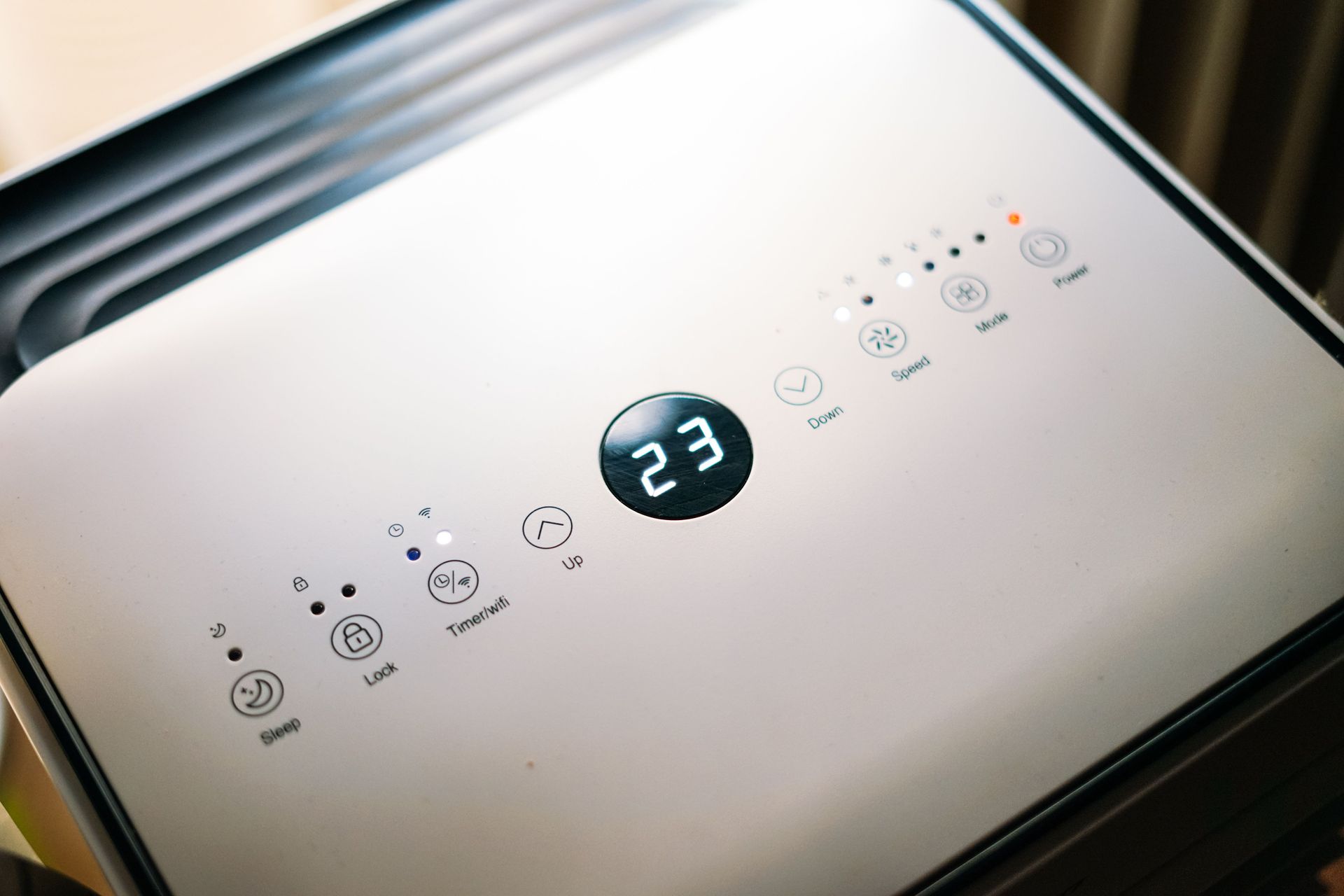
Climate-controlled storage is designed to maintain a more stable environment by regulating temperature and humidity. That added control reduces the changes sensitive materials experience during storage. LocalStorage Group offers climate-controlled options for household and business belongings. Because availability varies by property and current inventory, check the individual location before assuming a particular unit size is available with climate control. For a closer look at the purpose of this unit type, read our guide to what climate-controlled storage protects.
Items that are better candidates for climate control
Wood furniture is one of the clearest examples. Wood responds to changes in moisture and temperature, so a more stable environment is worth considering when furniture will be stored for a longer period. Paper is another. Important records, photographs, books, and artwork can be vulnerable to moisture and major environmental changes. Businesses storing archived paperwork may have the same concern as households storing family documents. Electronics, musical instruments, collectibles, leather furniture, and some fabric items are also common candidates. The more difficult or expensive an item would be to replace, the more carefully its storage environment deserves consideration.
What usually works in standard storage?
Durable household goods that aren't particularly sensitive to temperature or humidity are better candidates for standard storage. Plastic bins, many tools, outdoor equipment, patio items, and other sturdy belongings may not justify the additional environmental control. Condition still matters. Everything should go into the unit clean and dry, and items shouldn't be packed in damaged boxes or wet containers simply because the space is enclosed. If you're storing several types of belongings, sort them by sensitivity rather than assuming the entire load has identical requirements.
Storage length changes the decision
A short move between homes and a year in storage aren't the same situation. Environmental exposure becomes a bigger consideration as the storage period gets longer. If a sensitive item will remain stored through major seasonal changes, climate control may be the more appropriate choice. For a short period involving durable belongings, standard storage may meet your needs without paying for a feature those items don't require. There isn't a universal cutoff at which every renter suddenly needs climate control. Make the decision based on the materials you're storing, their condition, their value to you, and the expected storage period.
Climate control doesn't replace good packing
A climate-controlled unit isn't permission to put damp furniture, dirty appliances, or poorly packed documents into storage. Preparation still determines how well belongings hold up. Clean and completely dry items before move-in. Use sturdy containers, keep fragile belongings protected, and avoid packing boxes so heavily that they collapse when stacked. Furniture should be protected from scratches and dust with suitable covers. Paper records and photographs need organized containers that keep them from being bent, crushed, or scattered around the unit.
Think about access as well as environment
Climate control is only one part of choosing a unit. If you'll visit frequently, consider how you'll reach the space and how you plan to arrange it. A drive-up standard unit may be more practical for bulky, durable equipment that you retrieve regularly. A climate-controlled unit may make more sense for sensitive belongings that will remain untouched for months. Neither option is automatically better. The right one is the space whose features match the belongings you're actually storing.
Don't rent more space than you need
Once you've decided between standard and climate-controlled storage, choose the unit dimensions separately. Climate requirements don't tell you how much floor space you need. Measure large furniture and appliances and estimate your box count before selecting a size. Our storage unit size guide can help you compare common unit dimensions and what they are designed to hold. Leave enough room for a walkway if you expect to retrieve belongings regularly. A slightly less dense layout can save a lot of unloading later.
Choose based on the contents of the unit
Standard storage remains a practical choice for many durable belongings. Climate control becomes more useful when you're storing materials that react poorly to moisture, temperature changes, or long periods in an uncontrolled environment. Start with an inventory rather than the unit type. Once you know what needs extra environmental protection and how much space the entire load requires, you can
explore
storage options from LocalStorage Group and check the unit types currently available near you.