Covered or Uncovered Parking? Choosing the Right Space for Your Vehicle
Finding somewhere to keep an RV, boat, extra car, or another vehicle isn't only about whether the space is large enough. You also need to decide how much protection you want while the vehicle is parked and how that fits your budget and storage period. LocalStorage Group offers vehicle parking within our network, with covered parking available at select properties. If you're comparing storage options in your area, check each location for available parking types and current spaces.
What is uncovered parking?
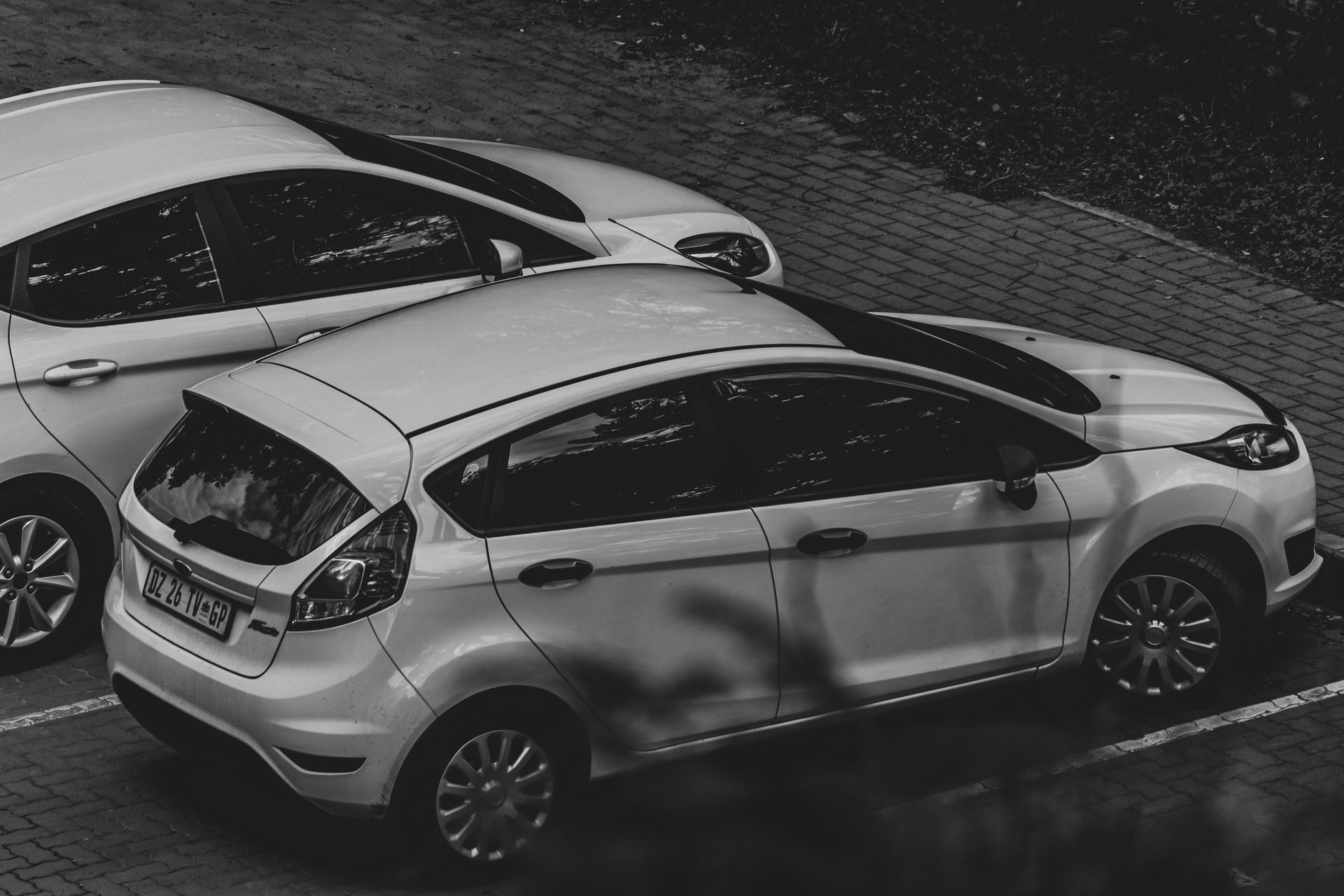
Uncovered storage is an outdoor parking space without a roof. It gives you a designated place to keep the vehicle while leaving it exposed to outdoor conditions. This is the simpler option when your main goal is getting a boat, RV, trailer, or extra vehicle out of the driveway. Outdoor vehicle parking is available across our facilities, though the types and dimensions of spaces should be confirmed with the property before renting.
What is covered parking?
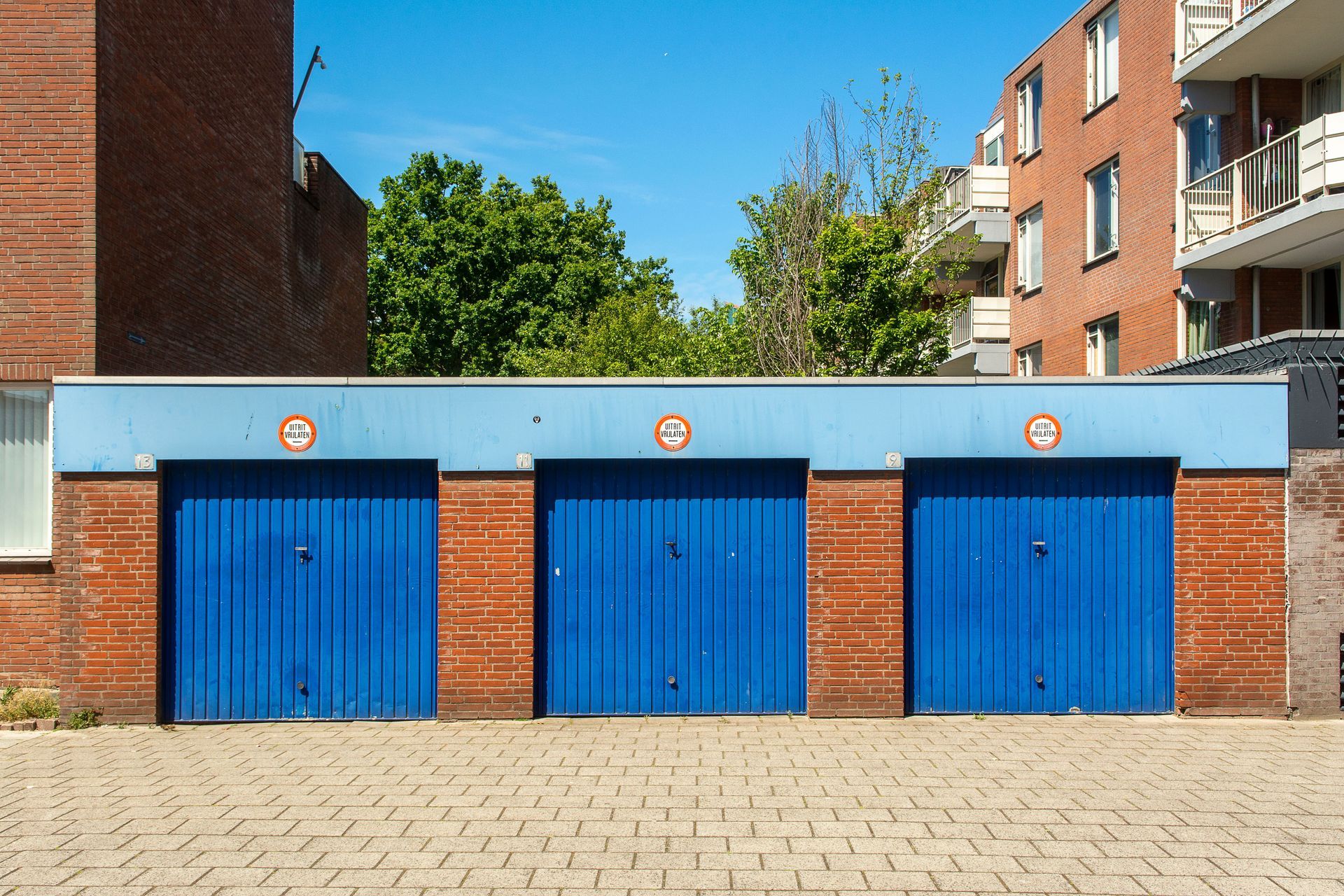
Covered parking adds overhead protection while keeping the vehicle in an outdoor parking environment. The roof reduces direct exposure to sunlight and precipitation, as well as falling debris. It sits between open parking and fully enclosed vehicle storage. You're still storing outdoors, but the vehicle isn't sitting directly under the open sky every day. Covered parking is available at some LocalStorage Group properties, including locations that advertise parking for cars, boats, and RVs. Because this feature isn't listed for every property, confirm availability at the specific facility you plan to visit.
Weather exposure is the main difference
The biggest practical difference is straightforward: uncovered parking leaves the entire vehicle exposed, while covered parking blocks some direct overhead exposure. Sunlight can fade exterior finishes and affect interior materials over long periods. Rain, snow, ice, and debris also mean more cleaning and maintenance when a vehicle remains outdoors. A covered space doesn't eliminate every environmental factor. Wind, humidity, temperature changes, and angled precipitation are still part of outdoor storage. It simply provides another layer of protection compared with an open parking space.
Think about how long the vehicle will sit
A vehicle parked for a short interval has different needs from one that will remain in storage for an entire off-season. If you use the vehicle frequently and mainly need somewhere legal and practical to park it, uncovered parking may be enough. Longer storage makes protection from repeated sun and precipitation exposure more relevant. Covered parking may be worth considering when you want overhead protection but don't need a fully enclosed space.
Consider the vehicle itself
An older utility trailer doesn't necessarily need the same level of protection as a recreational vehicle with exterior seals, windows, graphics, and an interior exposed to heat through large glass surfaces. The same distinction applies to cars and boats. Consider the condition of the vehicle, how much you've invested in it, its exterior materials, and how long it will be parked. For motorcycles that will be put away for an extended period, preparation matters as much as the parking environment. Our guide to long-term motorcycle storage explains what to address before leaving a motorcycle unused.
Covered parking doesn't replace vehicle preparation
A roof doesn't mean you can park a vehicle for months without preparing it. Clean the vehicle first, remove food and trash, check fluids and tires as appropriate, and address any maintenance required before storage. Boats and RVs need their own preparation procedures too. Drain or winterize systems when required, secure openings, remove perishable belongings, and follow the vehicle or equipment manufacturer's storage instructions. A suitable vehicle cover may provide additional protection where appropriate, but use a cover designed for the vehicle and storage conditions rather than trapping moisture beneath an improvised tarp.
Access matters too
Think about when you'll retrieve the vehicle and how often you'll use it. A boat you take out regularly during the season needs to be reasonably easy to pick up and return. Our facilities provide access from 6 a.m. to 10 p.m. every day. That gives renters a broad daily window, but you should still verify the parking arrangement and any location-specific requirements before moving a vehicle onto the property.
What about belongings stored alongside the vehicle?
Don't assume a parking space can function like a storage unit. If you have camping equipment, tools, household boxes, or other belongings to store, a separate unit may be the better place for them. Keeping those items organized inside a unit also makes retrieval easier. Our guide to packing a storage unit for easy access explains how to arrange frequently used belongings without burying them.
Which parking type makes sense?
Choose uncovered parking when you primarily need a dedicated place for the vehicle, and you're comfortable with normal outdoor exposure. It's a straightforward option for many cars, trailers, boats, and recreational vehicles. Covered parking makes more sense when reducing direct exposure to sun and precipitation is worth the additional protection to you. Availability will ultimately matter too, since not every LocalStorage Group property has the same parking configuration.
Match the space to the vehicle
There's no reason to pay for protection you don't need, but there's also little benefit in choosing the least expensive space if it doesn't suit the vehicle you're storing. Consider the vehicle, storage period, expected use, and amount of outdoor exposure you're comfortable with. You can
explore
storage options from LocalStorage Group to find nearby properties and check whether uncovered or covered vehicle parking is currently offered.