Your Remodel Is Underway, But Are Your Appliances Protected? Smart Storage Strategies Every Homeowner Should Know
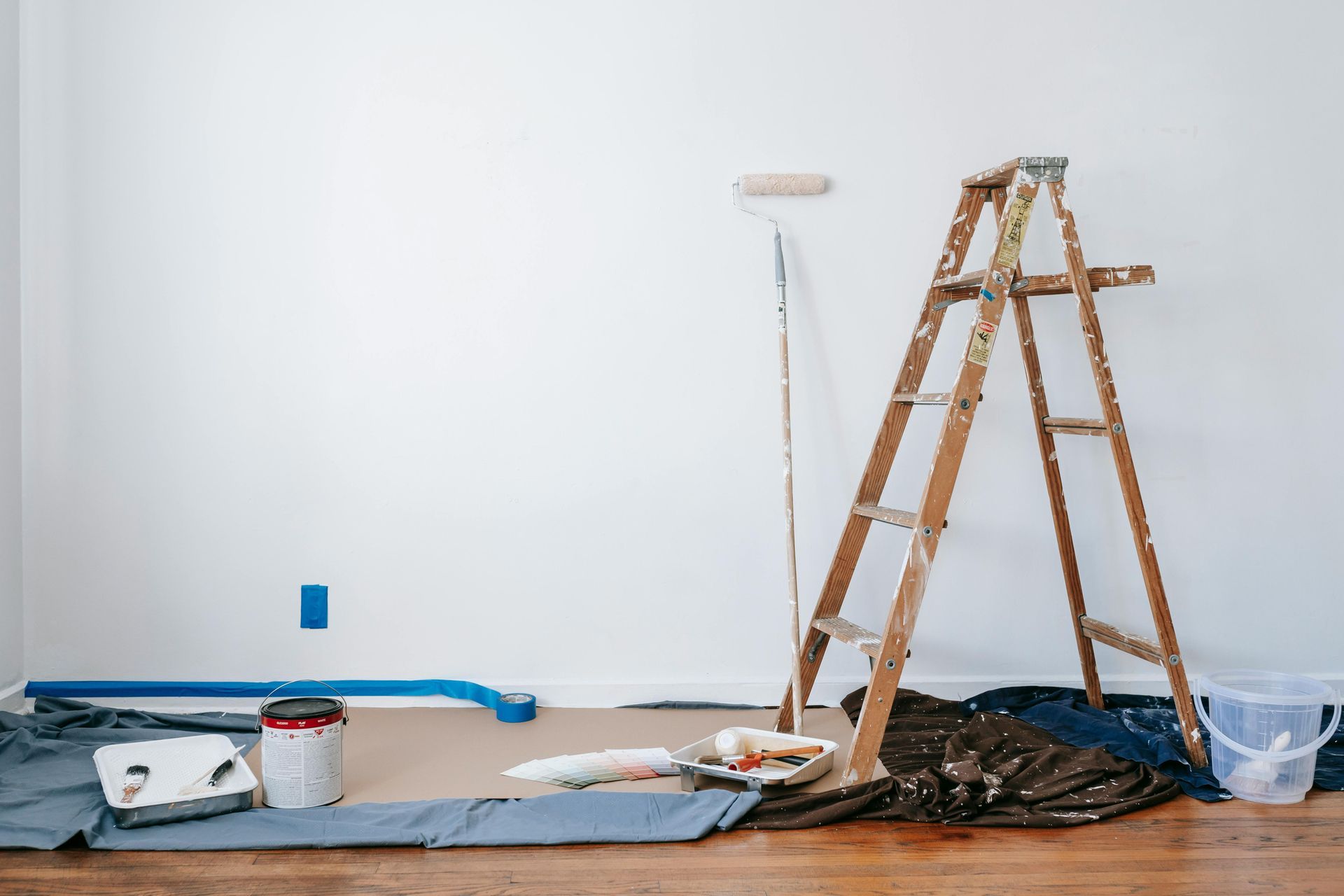
Few home improvement projects are as exciting as a remodel. Whether you're updating an outdated kitchen, transforming a laundry room, expanding your living space, or renovating multiple areas at once, the prospect of a refreshed home can be incredibly rewarding. At the same time, however, renovations often create a level of disruption that many homeowners underestimate. As walls come down, flooring is removed, cabinets are replaced, and contractors move equipment in and out of the property, valuable household appliances can quickly become vulnerable to damage. Refrigerators, washing machines, dryers, dishwashers, ovens, and other large appliances are significant investments. Leaving them exposed to dust, debris, accidental impacts, paint splatter, and construction traffic can lead to unnecessary wear and costly repairs.
For that reason, many homeowners throughout the United States choose to temporarily relocate appliances during renovation projects. A storage unit can provide a practical solution, helping keep these valuable items protected while creating more workspace for contractors and reducing clutter inside the home. If you're planning a renovation and looking for convenient storage solutions, check the LocalStorage Group locations map to see storage options throughout the United States. We have storage options in Waterbury, Connecticut, and many other cities.
The key, however, is understanding that appliance storage involves much more than simply moving items from one location to another. Proper preparation, transportation, organization, and storage techniques can help ensure your appliances remain in excellent condition until the final stages of your remodel are complete.
Key Points for Readers Short on Time
- Clean and completely dry appliances before placing them into storage.
- Disconnect power, water, and gas connections safely and organize accessories.
- Leave refrigerator and freezer doors slightly open to prevent mold and odors.
- Use breathable protective coverings rather than tightly sealed plastic whenever possible.
- A storage unit can help protect appliances from renovation dust, debris, and accidental damage.
Why Remodeling Projects Can Be Tough on Appliances
At first glance, it might seem easier to leave appliances where they are until contractors need access to the space. Unfortunately, renovation environments are rarely appliance-friendly. Even relatively minor remodeling projects generate surprising amounts of dust. Fine particles can travel far beyond the immediate work area, finding their way into vents, motors, filters, electronic controls, and cooling systems. Over time, this buildup may affect performance or contribute to mechanical issues. In addition, active construction sites create numerous physical hazards. Contractors frequently move lumber, tools, drywall, ladders, and equipment throughout the property. As a result, appliances left in place may be susceptible to dents, scratches, broken components, or cosmetic damage.
Furthermore, many remodeling projects require temporary utility interruptions. Water lines, gas connections, and electrical systems may be disconnected for days or even weeks. Consequently, appliances often become nonfunctional during portions of the renovation anyway, making off-site storage a practical and efficient solution. By relocating appliances to a storage unit, homeowners can create a safer working environment while helping preserve the lifespan and appearance of valuable household equipment.
Begin With a Deep Cleaning
Before any appliance enters storage, thorough cleaning should be the priority. This step is often overlooked because homeowners are understandably focused on demolition schedules, contractor coordination, and project deadlines. Nevertheless, cleaning appliances before storage is one of the most important measures you can take to prevent future problems. For refrigerators and freezers, start by removing all food items and completely defrosting the unit. Once defrosted, wipe down every interior surface using a mild cleaning solution. Shelves, drawers, and compartments should also be cleaned and dried separately.
Most importantly, eliminate all moisture before storage. According to the U.S. Environmental Protection Agency, moisture is one of the primary contributors to mold growth and unpleasant odors in enclosed spaces. Similarly, washing machines should undergo a cleaning cycle before being disconnected. Pay particular attention to detergent dispensers, door gaskets, and drain areas where moisture tends to collect. Dishwashers should also be emptied, cleaned, and inspected for standing water. Meanwhile, ovens and ranges benefit from a thorough degreasing. Removing food residue and grease buildup before storage can help prevent odors from developing during extended periods of inactivity. Although these tasks require additional preparation time, they can significantly reduce the likelihood of discovering unpleasant surprises when appliances are returned to service.
Disconnect Utilities Carefully and Methodically
Once appliances are clean, the next step involves safely disconnecting all utility connections. This process should never be rushed. Taking a methodical approach can help prevent damage while simplifying reinstallation later. Electrical cords should be unplugged carefully and wrapped neatly. Rather than allowing cords to dangle during transportation, secure them with soft ties to prevent tangling or accidental damage. Likewise, water supply lines connected to refrigerators, dishwashers, and washing machines should be fully drained before storage. Any remaining water can create mold issues, corrosion, or freezing concerns if temperatures fluctuate.
Gas appliances require additional caution. If you're unsure how to disconnect a gas range or dryer safely, professional assistance is often worth considering. A qualified technician can ensure lines are properly disconnected and secured. Another useful practice involves taking photographs of all hookups before removal. While it may seem unnecessary in the moment, these photos can become valuable references months later when reconnecting appliances after construction is complete.
Protect Internal Components Before Moving
Many appliances appear rugged from the outside, but internal systems are often surprisingly delicate. For example, refrigerators contain compressors, cooling lines, and electronic controls that can be affected by improper handling. Whenever possible, refrigerators should remain upright during transportation. Lying them on their side can allow compressor oil to move into areas where it should not be, potentially affecting performance when the appliance is restarted. Similarly, front-loading washing machines often contain drums that should be secured before moving. Many manufacturers provide transport bolts specifically designed to stabilize internal components during relocation.
In addition, removable parts should be packed separately. Refrigerator shelves, glass drawers, dishwasher racks, and oven components can shift during transportation if left unsecured. By taking a little extra time to protect these vulnerable pieces, homeowners can avoid replacement costs and frustration once the renovation concludes.
Why a Storage Unit Is Often the Best Option
When appliances need to remain out of the way for several weeks or months, finding an appropriate storage location becomes essential. While garages, basements, and spare rooms may seem convenient, they often create new challenges. Construction materials can end up sharing space with appliances, increasing the risk of accidental damage. Furthermore, homeowners may find themselves constantly moving items around as the project evolves. A dedicated storage unit provides a more organized alternative.
Not only does it help free up valuable space inside the home, but it also creates a designated area where appliances can remain untouched throughout the remodeling process. This separation often makes the renovation itself easier to manage while helping preserve appliance condition. If you're using a storage unit during your project, it's worth reviewing these additional organization strategies from our guide about 10 Smart Storage Unit Tips to Maximize Space and Organization. These techniques can help you make the most of available storage space while keeping important items accessible.
Cover Appliances Correctly
Once appliances arrive at the storage unit, proper protection remains important. Many people instinctively wrap appliances tightly in plastic. While plastic can be useful during transportation, long-term use may trap moisture and restrict airflow. Over time, this environment can contribute to condensation buildup, particularly if appliances were not completely dry beforehand. Instead, breathable appliance covers are generally a better choice. These coverings protect from dust while still allowing air circulation.
At the same time, refrigerator and freezer doors should be left slightly open. This small adjustment encourages airflow and helps prevent mold growth and stale odors from developing inside the appliance. Although these precautions may seem minor, they can make a substantial difference during extended storage periods.
Organize for the Unexpected
One reality of remodeling projects is that timelines frequently change. A renovation expected to last six weeks can easily stretch into several months due to material shortages, permit delays, scheduling conflicts, or unexpected structural discoveries. Because of this, appliances should be stored with accessibility in mind. Rather than packing appliances into the farthest corner of a storage unit, create clear pathways that allow you to inspect or retrieve items when needed. Keeping frequently accessed belongings near the front can also save considerable time and effort.
For additional guidance, our article on how to pack a storage unit for easy access offers practical strategies that can help maintain organization throughout the renovation process. Thinking ahead can prevent frustration later, especially if project timelines shift unexpectedly.
Common Appliance Storage Mistakes That Can Lead to Damage
Even homeowners with the best intentions sometimes make mistakes that affect appliance condition during storage. One of the most common errors involves storing appliances while moisture is still present. A refrigerator that appears dry may still contain hidden moisture in drawers, seals, or drainage areas. Over time, that moisture can lead to mold, mildew, and unpleasant odors.
Another frequent issue is stacking heavy items against appliances. Pressure on doors, control panels, and external surfaces can result in dents, cracks, or alignment problems. Some homeowners also forget to consult the manufacturer's recommendations. Appliance manufacturers often provide storage instructions tailored to specific models, and following those guidelines can help avoid unnecessary complications. Finally, rushing the moving process often results in preventable damage. Using proper equipment and sufficient help can significantly reduce the risk of scratches, impacts, and transportation-related accidents.
Long-Term Renovations Require Ongoing Attention
Large-scale remodeling projects often take longer than anticipated. Kitchen expansions, historic home restorations, basement finishing projects, and home additions may extend well beyond initial estimates. When appliances remain in storage for several months, periodic inspections can be beneficial. Checking for signs of moisture, shifting, pest activity, or damage allows small issues to be addressed before they become serious problems. In addition, maintaining realistic expectations about renovation timelines can make the process less stressful. Although storage may feel like a temporary concern compared to the broader renovation itself, taking the time to monitor stored appliances can help ensure they are ready for use when construction finally wraps up.
A successful remodel involves far more than selecting finishes, approving designs, and managing contractors. Protecting the items already in your home is equally important, particularly when those items represent significant financial investments. Appliances are designed to withstand years of daily use, but they are not designed to sit unprotected in active construction zones. Dust, debris, moisture, accidental impacts, and utility interruptions can all create risks during renovation projects. Fortunately, proper preparation and the use of a storage unit can help minimize those risks while creating a more organized remodeling environment.
For homeowners looking for convenient storage solutions during a renovation, check the LocalStorage Group locations map to see
storage options throughout the United States. We have
storage options in Waterbury, Connecticut, and many other cities, and remember, with thoughtful planning, careful cleaning, proper packing, and organized storage, your appliances can remain protected throughout the remodeling process and be ready to serve your household again once the final touches are complete.