Think Your Storage Unit Is Safe? Smart Pest Prevention Habits That Help Protect Your Belongings for the Long Haul
Choosing a storage unit is one of the easiest ways to create extra space at home, safeguard valuable belongings during a move, or keep seasonal items out of the way until you need them again. Across the USA, millions of people rely on self-storage every year for everything from family heirlooms and business inventory to furniture, recreational equipment, and household appliances. Naturally, when your belongings are out of sight for weeks or even months, you want the confidence of knowing they'll be in the same condition when you return. That confidence begins with selecting a professionally maintained storage facility. Clean properties, well-maintained buildings, and regular upkeep all contribute to reducing the likelihood of pest issues before they ever become a concern. When comparing storage options across the USA, you'll find that Local Storage Group places a strong emphasis on maintaining clean, secure properties designed to help protect the belongings customers trust them with.
Even so, pest prevention is a partnership. While a clean facility creates an excellent foundation, renters can take several additional steps to further protect their possessions during long term storage. Fortunately, these habits are neither expensive nor complicated. Instead, they simply involve being intentional about how you prepare, pack, and organize your unit before closing the door. The extra effort pays off. Clean, well-packed belongings stay in better condition, are easier to organize, and remain ready to use whenever it's time to bring them home again.
Key Points for Readers Short on Time
- Pack belongings in sealed plastic containers whenever possible instead of cardboard boxes.
- Never store food, pet food, scented products, or dirty household items.
- Clean and dry every item before placing it into storage.
- Leave small walkways inside your unit to make inspections easier.
- Combine smart packing practices with climate-controlled storage for additional long-term protection.
Why Pest Prevention Starts Before You Ever Visit Your Storage Unit
Many people assume that pest problems begin inside a storage unit. In reality, they often begin much earlier, sometimes while belongings are still sitting inside a garage, basement, attic, or moving truck. Think about the average moving day. Boxes are packed in a hurry, outdoor furniture comes straight off the patio, camping equipment is loaded directly from the garage, and kitchen appliances may be disconnected without a thorough cleaning. Although nothing appears dirty at first glance, many of these items can unknowingly carry crumbs, moisture, dust, or even tiny insects.
Fortunately, preventing these situations is much easier than dealing with them later. Taking the time to clean, inspect, and properly prepare everything before it enters storage dramatically lowers the chances of attracting unwanted visitors. According to the U.S. Environmental Protection Agency, eliminating food sources, moisture, and hiding places remains one of the most effective methods of preventing pests in indoor environments. Rather than relying on treatments after a problem appears, proactive sanitation is considered the best long-term approach. This philosophy applies perfectly to self-storage. The cleaner your belongings are before they're packed away, the less attractive they become to insects and rodents over time.
A Professionally Maintained Storage Facility Gives You a Head Start
One of the most overlooked parts of pest prevention is choosing the right facility in the first place. Professional storage facilities work hard to maintain clean common areas, inspect buildings, remove debris, and care for the property throughout the year. These routine maintenance efforts help discourage pests long before customers ever move into their units. Local Storage Group takes pride in maintaining clean storage properties because cleanliness is one of the simplest ways to help customers protect their belongings. However, even the cleanest storage facility benefits when renters do their part by storing only clean, properly packed items. You can think of it as two layers of protection. The facility provides a clean, well-maintained environment, while your preparation helps ensure nothing inside your unit accidentally attracts pests.
Clean Everything Before Packing It Away
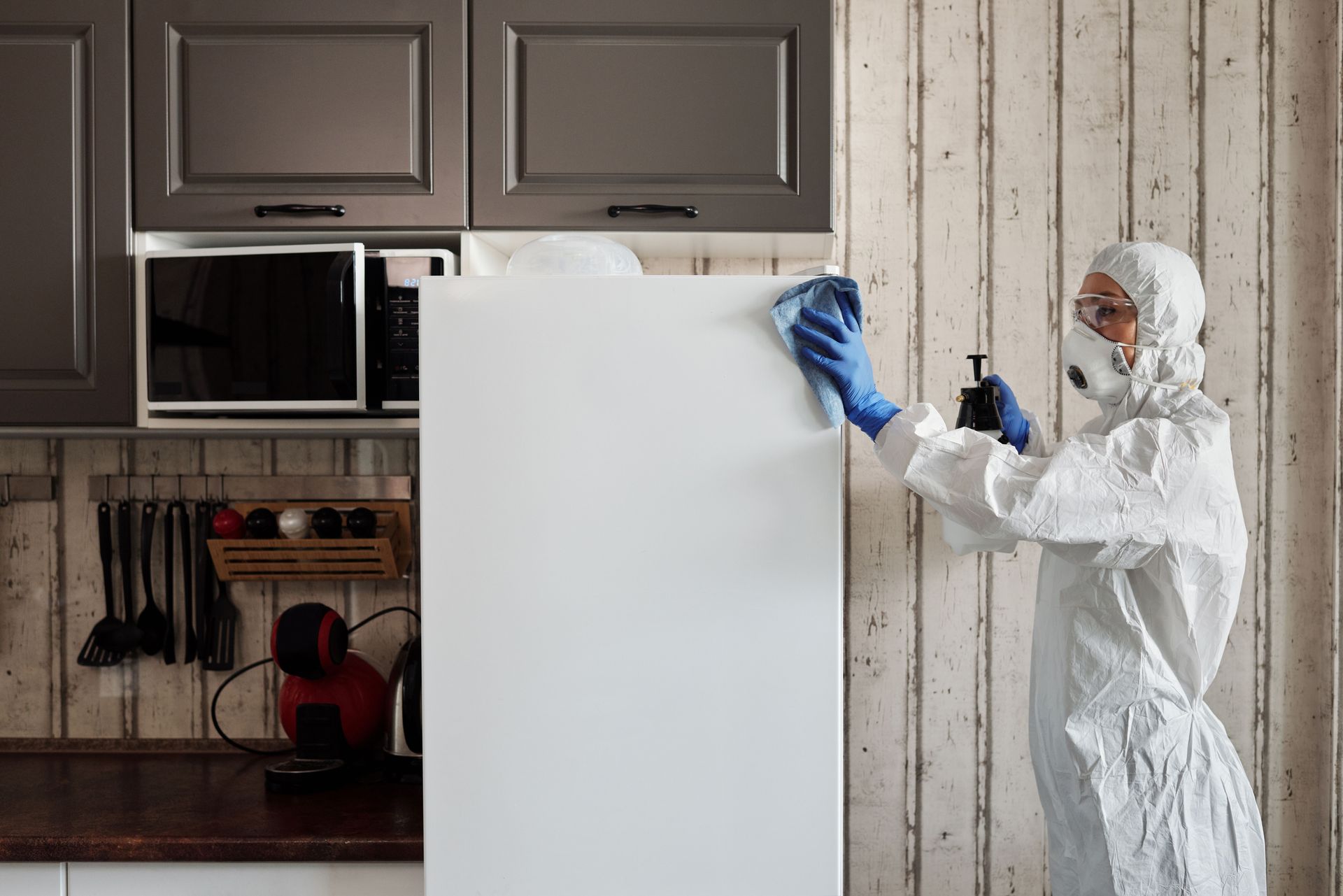
This step may sound obvious, but it's often the one people rush through during a busy move. Furniture, appliances, storage bins, sporting equipment, and seasonal decorations naturally collect dust throughout everyday life. More importantly, they often collect food residue, pet hair, grease, body oils, and moisture without us realizing it. While these may seem insignificant, many insects are remarkably good at detecting even tiny food sources. For example, dining room chairs may contain crumbs between the cushions, barbecue grills often have grease hidden beneath removable trays, and refrigerators frequently retain moisture if they aren't completely dried after cleaning. Before placing anything into storage, spend a little extra time cleaning it thoroughly.
Vacuum upholstered furniture, wipe down wood surfaces, clean kitchen appliances inside and out, wash outdoor furniture, and allow every item to dry completely before packing. Although this preparation adds an extra afternoon to your moving schedule, it can significantly improve the long-term condition of your belongings. If you're storing larger household items, you'll also find helpful advice in this guide on how to properly store furniture in a storage unit, which explains additional techniques for protecting furniture during extended storage.
Plastic Storage Bins Offer Better Long-Term Protection Than Cardboard
Cardboard moving boxes certainly have their place. They're affordable, easy to find, and perfect for many moving projects. However, when it comes to long-term storage, plastic containers usually provide several important advantages. Unlike cardboard, plastic bins don't absorb moisture from the surrounding air. They're also much more difficult for insects to penetrate and help reduce dust accumulation over time. Secure lids create another barrier that protects clothing, books, photographs, decorations, and keepsakes throughout extended storage periods.
Another benefit is organization. Clear plastic containers allow you to quickly identify contents without opening multiple boxes, making future visits to your storage unit much easier. If cardboard boxes are your only option, inspect each one carefully before packing. Avoid reusing boxes that have been sitting in garages or sheds for long periods, as they may already contain insects or insect eggs without showing obvious signs.
Keep Food Out of Your Storage Unit Completely
One of the simplest rules of pest prevention is also the easiest to overlook. Many renters know not to store groceries, but food-related items often sneak into storage in unexpected ways. A forgotten snack tucked inside a backpack, coffee left inside a travel mug, spices stored with kitchen supplies, or pet treats packed with camping gear can all become attractants. Likewise, kitchen appliances deserve special attention. Toasters frequently contain crumbs, microwaves can retain food splatters, and coffee makers often trap moisture if they aren't cleaned thoroughly before storage.
As a general rule, avoid storing:
- Human food
- Pet food
- Bird seed
- Open spices
- Candy
- Flour or baking ingredients
- Coffee or tea
- Greasy cooking equipment
- Scented products with food fragrances
Removing these attractants dramatically reduces the chances of pests taking interest in your unit.
Dry Belongings Are Happy Belongings
Moisture doesn't automatically create pests, but it can create conditions that encourage mold, mildew, and certain insects. That's why it's important to let every item dry completely before packing. Towels, camping tents, patio cushions, sports equipment, and outdoor furniture should never be stored while damp. This is especially true after summer vacations, lake trips, camping weekends, or outdoor sporting events, when equipment may have been exposed to water.
If you're storing valuable items that are sensitive to humidity, including antiques, photographs, electronics, artwork, musical instruments, or wood furniture, climate-controlled storage provides another layer of protection by maintaining more consistent indoor conditions. If you're unsure whether climate-controlled storage is necessary for your belongings, this article explaining what climate-controlled storage really protects offers an excellent overview of when it's worth the investment.
Organize Your Unit So You Can Inspect It Easily
Many people focus entirely on maximizing every square foot of their storage unit. While efficient packing certainly saves space, filling every inch can actually make routine inspections much more difficult. Instead, leave a narrow walkway along one side of the unit whenever possible. This simple decision allows you to access belongings without unpacking everything and makes it much easier to notice any issues early. During occasional visits, take a few moments to look around the unit. Check that containers remain sealed, furniture covers are still in place, and boxes haven't shifted or become damaged. These quick inspections typically take only a few minutes but can provide valuable peace of mind throughout a lengthy storage period.
Protect Clothing, Linens, and Other Fabrics
Fabric is naturally attractive to certain insects, particularly when it contains body oils, food residue, or moisture. Before storing clothing, blankets, curtains, or bedding, wash everything thoroughly and allow it to dry completely. Once clean, place fabrics inside sealed plastic containers, vacuum storage bags, or breathable garment bags designed for long-term storage. Natural fibers such as wool deserve additional attention because they're more susceptible to insect damage than many synthetic fabrics. Cedar products may offer some additional protection, but they should complement proper cleaning rather than replace it. Taking these precautions helps ensure your favorite clothing and household textiles remain fresh and ready to use whenever you retrieve them.
Don't Forget to Inspect Outdoor Equipment
Many pests enter storage by hitching a ride inside equipment that's normally stored outdoors. Camping supplies, lawn furniture, bicycles, grills, gardening tools, and holiday decorations often spend months inside garages or backyard sheds before being moved into storage. Before packing these items away, inspect them carefully. Remove leaves, dirt, cobwebs, and debris. Shake out folded camping chairs, examine storage totes, and wipe down outdoor furniture thoroughly. Although this inspection only adds a few minutes to your packing process, it can prevent unwanted surprises later.
Visit Your Storage Unit Occasionally
Long-term storage doesn't mean you should forget about your belongings until moving day arrives. Instead, consider checking on your unit every month or two if it's convenient. These visits allow you to verify that everything remains organized, clean, and properly protected. You'll also be able to rotate seasonal belongings, retrieve items as needed, and make small adjustments before minor issues become larger concerns. Routine visits are especially helpful if you're storing valuable collectibles, family heirlooms, business inventory, or furniture that will remain in storage for an extended period.
Small Habits Create Long-Lasting Protection
The best pest prevention strategies aren't complicated. Instead, they're built from consistent habits that work together over time. Cleaning furniture before storage, avoiding food products, choosing sealed plastic containers, inspecting belongings periodically, and keeping everything dry all contribute to protecting your possessions during long term storage. None of these steps requires specialized equipment, yet together they make a meaningful difference.
The Self Storage Association also recommends proper packing, organization, and regular inspections as part of responsible long-term storage practices. When these simple habits are combined with professionally maintained storage options across the USA and the added benefits of climate-controlled storage for moisture-sensitive belongings, your storage experience becomes even more dependable. While Local Storage Group works hard to maintain clean facilities that help discourage pests, taking a few extra precautions of your own helps ensure your furniture, keepsakes, documents, and household items remain exactly as you left them, ready for whatever comes next.