Thinking About Renting a Self-Storage Unit? Here Are the 10 Questions Everyone Asks First
Finding extra space isn't always easy. Homes fill up, businesses accumulate inventory, and hobbies often come with equipment that needs somewhere to go. As a result, more Americans are turning to self-storage as a practical way to stay organized without sacrificing the things that matter to them. However, renting a self-storage unit often raises more questions than people expect. How large should the unit be? Is climate control necessary? What items are allowed inside? How can you ensure your belongings stay protected while in storage?
Fortunately, understanding the basics can help you make informed decisions before signing a rental agreement. Whether you're storing furniture, business supplies, family heirlooms, or recreational equipment, knowing what to expect can save time, money, and frustration later. If you're exploring storage solutions, review all of our LocalStorage Group storage options across the United States at our Locations Map. We have storage options in Palm Beach Gardens as well as many other locations.
Key Points for Readers Short on Time
- Choosing the right self-storage unit starts with understanding how much space your belongings actually require.
- Climate-controlled storage can help protect valuable items from temperature and humidity fluctuations.
- Most facilities prohibit hazardous materials, perishables, and illegal items.
- Security features vary by facility, making it important to compare options before renting.
- Proper packing and organization can maximize available space and make future access easier.
1. Unsure What Size Self Storage Unit You Need? Start Here
One of the first challenges renters face is determining how much storage space they'll actually need. While it may seem like a straightforward decision, many people either underestimate the amount of room required or rent more space than necessary. The best place to begin is by creating an inventory of everything you plan to store. Furniture, appliances, boxes, sporting equipment, and business inventory all occupy space differently. For example, a couch may take up considerable floor space, while boxes can often be stacked vertically to maximize capacity. In addition, it's important to think beyond simply fitting your belongings inside the unit. Many renters appreciate having enough room to move around comfortably and access items without unpacking everything. Leaving a small walkway can make a significant difference months later when you need to retrieve something stored near the back.
Furthermore, disassembling furniture and using uniform box sizes can dramatically improve space efficiency. A little planning before move-in day often allows renters to select a more cost-effective self-storage unit while still maintaining convenient access to their belongings. For additional organization strategies, these smart storage unit tips to maximize space and organization provide practical guidance for arranging your belongings efficiently.
2. What Can You Actually Store in a Self-Storage Unit?
After selecting a unit size, many renters wonder what items are allowed inside. Fortunately, most everyday household and business belongings can be stored safely and legally within a self-storage unit. Commonly stored items include furniture, seasonal decorations, books, office supplies, electronics, collectibles, clothing, business inventory, and recreational gear. In communities throughout the United States, storage units are frequently used for golf clubs, fishing equipment, paddleboards, bicycles, and boating accessories that might otherwise take up valuable garage or closet space. At the same time, storage facilities maintain restrictions designed to protect customers and property. Hazardous chemicals, explosives, flammable materials, illegal substances, live animals, and perishable food products are generally prohibited.
Because policies can vary slightly between facilities, reviewing the rental agreement beforehand is always a smart idea. Understanding the rules in advance helps prevent unexpected issues and ensures a smoother storage experience from the start. Storage facilities follow industry standards intended to promote safety and responsible storage practices throughout the industry.
3. Is Climate-Controlled Storage Really Necessary?
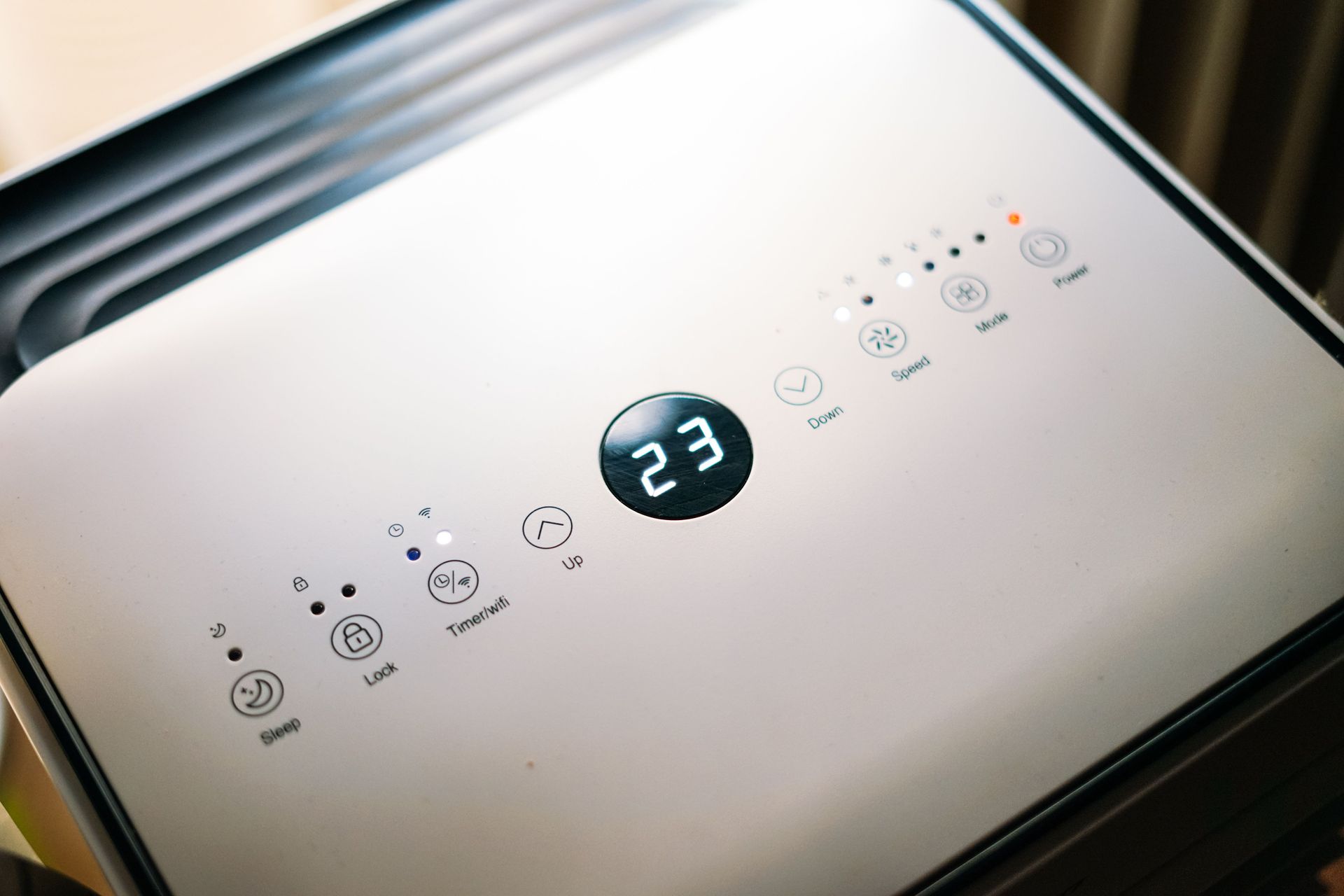
This question comes up frequently, especially among first-time renters. While not every item requires climate-controlled storage, certain belongings can benefit significantly from a more stable environment. For example, wood furniture may expand or contract when exposed to fluctuating temperatures. Electronics contain sensitive components that can be affected by excessive heat and humidity. Important documents, photographs, artwork, and collectibles may also experience deterioration over time if stored in less stable conditions.
Consequently, renters storing valuable, sentimental, or irreplaceable possessions often choose climate-controlled storage for added peace of mind. That said, not every storage situation requires this upgrade. Durable items such as metal tools, patio furniture, and certain household goods may store perfectly well in a standard unit. The decision ultimately depends on what you're storing, how long you plan to store it, and your comfort level regarding environmental exposure.
4. How Much Does a Self Storage Unit Cost?
Naturally, cost is one of the most important considerations when evaluating storage options. Yet many people are surprised to learn that storage pricing is influenced by far more than unit size alone. Location plays a major role. Facilities in high-demand areas may have different pricing structures than facilities in less densely populated markets. Similarly, climate-controlled units, advanced security features, and specialized access options can affect monthly rates. Additionally, seasonal demand can influence pricing in some regions. During peak moving periods, availability may become more limited, which can impact costs.
Rather than focusing solely on the monthly rate, it's helpful to evaluate the overall value being provided. A facility with strong security measures, convenient access hours, and well-maintained grounds may offer benefits that justify a slightly higher price point. Taking the time to compare features alongside pricing often leads to a better long-term storage experience.
5. How Secure Are Modern Storage Facilities?
Security concerns are completely understandable. After all, you're trusting a facility with possessions that may have both financial and sentimental value. Fortunately, today's storage facilities typically incorporate multiple layers of security. Electronic gate access systems help control who enters the property, while surveillance cameras monitor common areas throughout the facility. Many locations also feature perimeter fencing, bright lighting, and individually secured units. Furthermore, professionally managed facilities often conduct regular property inspections and maintenance to help identify potential issues before they become larger concerns.
While no security system can eliminate every risk, choosing a facility that prioritizes security can significantly increase confidence in where your belongings are stored. When touring a facility, pay attention to cleanliness, lighting, gate systems, and overall property upkeep. These details often provide valuable insight into management standards and operational quality.
6. How Often Can You Access Your Storage Unit?
Accessibility is another factor that renters sometimes overlook until after they've moved in. For some customers, occasional access is perfectly sufficient. Others, however, may need frequent entry to retrieve inventory, equipment, documents, or seasonal items throughout the year.
As a result, access hours should be considered before signing a rental agreement. Some facilities provide extended daily access, while others operate within more traditional business schedules. Certain locations even offer enhanced accessibility options designed for commercial customers. If you anticipate visiting your unit regularly, understanding access policies in advance can help ensure the facility aligns with your needs.
7. Do Stored Belongings Need Insurance?
Another frequently asked question involves insurance coverage. Many people assume their belongings are automatically protected while in storage. However, coverage often depends on the specific terms of existing homeowners' or renters' insurance policies. Because coverage limits and exclusions vary, reviewing your current policy is an important first step. In some situations, additional storage-specific coverage may be available to help supplement existing protection. Insurance can be particularly valuable when storing higher-value items such as electronics, collectibles, antiques, or specialized equipment. While no one expects unexpected events to occur, having appropriate coverage can provide an additional layer of financial protection.
8. What's the Secret to Packing a Storage Unit Like a Pro?
Packing may seem like the simplest part of the storage process, yet it has a major impact on both organization and preservation. To begin, use sturdy boxes that can withstand stacking. Clearly labeling every container helps eliminate guesswork later, especially when items remain in storage for several months or longer. Next, place heavier boxes at the bottom and lighter items on top. Fragile belongings should be wrapped carefully using appropriate protective materials.
Equally important, create a logical layout inside the self-storage unit. Frequently accessed items should remain near the front, while long-term storage items can be positioned farther back. Home renovation projects often create temporary storage needs as well. If you're preparing appliances for storage, this guide on how to store appliances during a home remodel offers additional preparation recommendations. Ultimately, thoughtful organization at move-in can save countless hours later.
9. How Long Can You Keep a Self Storage Unit?
One of the biggest advantages of self-storage is flexibility. Unlike long-term commercial leases, many storage facilities offer month-to-month rental arrangements. This flexibility allows customers to adjust their storage needs as circumstances change. Some renters use storage for only a few weeks while relocating. Others maintain a unit for years to store business records, family heirlooms, recreational equipment, or inventory. Across the United States, active outdoor lifestyles often create recurring storage needs. Communities such as Palm Beach Gardens are known for golf, boating, parks, and outdoor recreation opportunities. Because storage needs evolve, flexible rental options remain one of the industry's most appealing features.
10. What Should You Do Before Moving Into Storage?
Finally, preparation can make a tremendous difference in your overall experience. Before move-in day, take time to create an inventory list and photograph valuable items. These records can be useful for organization, insurance documentation, and future reference. Additionally, clean furniture, appliances, and household goods thoroughly before placing them into storage. Dust, moisture, and food residue can create avoidable problems over time if not addressed beforehand. Protective covers, quality packing supplies, and strategic organization further help preserve your belongings while making future retrieval easier. Although it may require a little extra effort upfront, careful preparation often prevents unnecessary headaches later and helps ensure a smoother storage experience overall.
Self-storage is designed to solve one simple problem: creating additional space when you need it. However, finding the right solution becomes much easier when you understand the factors that influence storage decisions. For readers interested in learning more about available locations, review all of our LocalStorage Group
storage options across the United States at our Locations Map. We have
storage options in Palm Beach Gardens as well as many other locations. By approaching storage with a clear understanding of your needs and priorities, you'll be better positioned to choose a solution that keeps your belongings organized, accessible, and protected for as long as necessary.